The most successful lip augmentation does not start with a syringe. It starts with a conversation about proportion, personality, and priorities. Whether you picture a barely there boost or a red carpet pout, understanding the difference between subtle and dramatic lip fillers helps you land on a result that feels like you. As a clinician, I spend as much time calibrating expectations as I do placing hyaluronic acid. The reason is simple: the same milliliter can look restrained on one face and bold on another. Good outcomes come from matching the right product and technique to the right goal.
What subtle and dramatic actually mean in practice
The difference is not only about size. It is about shape, projection, lip definition, and how the lips interact with the rest of the face at rest and in motion.
A subtle lip enhancement aims to restore or refine. Think of softly hydrated lips with a clearer border, a modest volume boost, and preserved lip dynamics when you speak or smile. I often use lower G-prime hyaluronic acid gels in the vermilion, light threads to define the Cupid’s bow, and tiny aliquots to balance asymmetry. Most subtle lip filler results involve 0.3 to 0.8 mL in the first session, occasionally up to 1.0 mL, with plenty of massaging and shaping. The intention is that friends notice you look refreshed but cannot pinpoint why.
A dramatic result, by contrast, is about fuller lips that lead the look. The upper lip will project more from the profile, the lower lip gains body, and the border is more pronounced. For this, I often use firmer or more moldable gels in targeted planes. The total volume may be 1.0 to 2.0 mL spread across one or two sessions depending on tissue compliance, with deliberate sculpting of tubercles and pillars. The goal is a transformation you can see in photos, even with lipstick on.
Here is a concise way to weigh the approaches.
- Subtle: 0.3 to 1.0 mL over one session; soft hydration, crisp edges, minimal social downtime; suitable for first timers and conservative tastes. Dramatic: 1.0 to 2.0 mL over one or two sessions; bolder projection and pillowy volume; more visible swelling and a stronger aesthetic statement. Subtle candidacy: thin or dehydrated lips, asymmetry correction, professional settings needing discretion, age related deflation. Dramatic candidacy: naturally fuller lips that can carry more volume, glamour focused style, social media presence, corrective work after over-dissolution. Core trade off: subtle favors believability and quick recovery; dramatic favors noticeable change and more maintenance planning.
Anatomy sets the boundaries
A safe and attractive lip filler treatment respects anatomy. The lips are not balloons; they are muscle wrapped in a specialized mucosa with a rich blood supply. This is why technique matters as much as product.
The orbicularis oris muscle runs around the mouth like a cinch. Overfilling superficial planes without accounting for muscle tone leads to a shelf-like look or lip eversion that feels unnatural. The vermilion border provides shape, and the white roll above it, if defined carefully, frames the lips. Tubercles, those natural pillows of the upper and lower lip, are worth enhancing rather than erasing. Finally, arteries such as the superior and inferior labial arteries can be close to injection sites, so slow placement, small amounts, and constant observation reduce risk.
People with naturally tight or thin tissue can only accommodate so much product at once. For them, a staged plan helps. Conversely, someone with a generous lower face or more compliant lip tissue can accept more volume per session without looking stiff.
Product choice influences both look and longevity
The phrase best lip filler is context dependent. Most modern lip fillers are hyaluronic acid gels with different rheological properties. In simple terms, some are softer and spread more easily, others are firmer and hold shape better. For subtle lip enhancement, I prefer products with a lower elastic modulus that integrate with movement and give a hydrated sheen. For dramatic lip volumizing treatment, I reach for gels with more structure to build projection and avoid product migration.
Longevity varies. In the lips, filler tends to metabolize faster than in cheeks because the area moves constantly. Expect 6 to 12 months for most hyaluronic acid lip filler results, though lighter hydrators can fade by month 4 to 6, and firmer gels can persist closer to a year. Metabolism, sun exposure, smoking, and the amount of product placed all influence duration. If you see ads that claim 18 months, read the fine print. That timeline usually reflects facial areas with less motion, not the lips.
The consultation sets the tone for success
A proper lip filler consultation includes more than pointing at pictures. I photograph at rest and smiling, from front and 45 degree angles, and sometimes profile. I measure dental show at rest, note lip length, and ask about lipstick habits, cold sore history, and prior lip filler injections. Then we align on outcome language. Words like natural, defined, or plush mean different things to different people. I like to use a scale. If 1 is barely there and 10 is high glamour, where do you land for this season of life? A person who wants a 3 or 4 likely suits a subtle enhancement. A person who says 7 to 8 is ready for a dramatic plan.
Anecdotally, one of my regular clients, a violinist, came in thinking she wanted fuller lips for photos. On the 1 to 10 scale she said 6, but her performance schedule and a conservative dress code at her orchestra pushed us toward a 4. We did 0.6 mL with a soft gel, refined the Cupid’s bow, and smoothed her lower lip lines. She later returned for 0.2 mL more, happy that no one could put a finger on what changed, only that she looked polished.
Technique, session planning, and the art of restraint
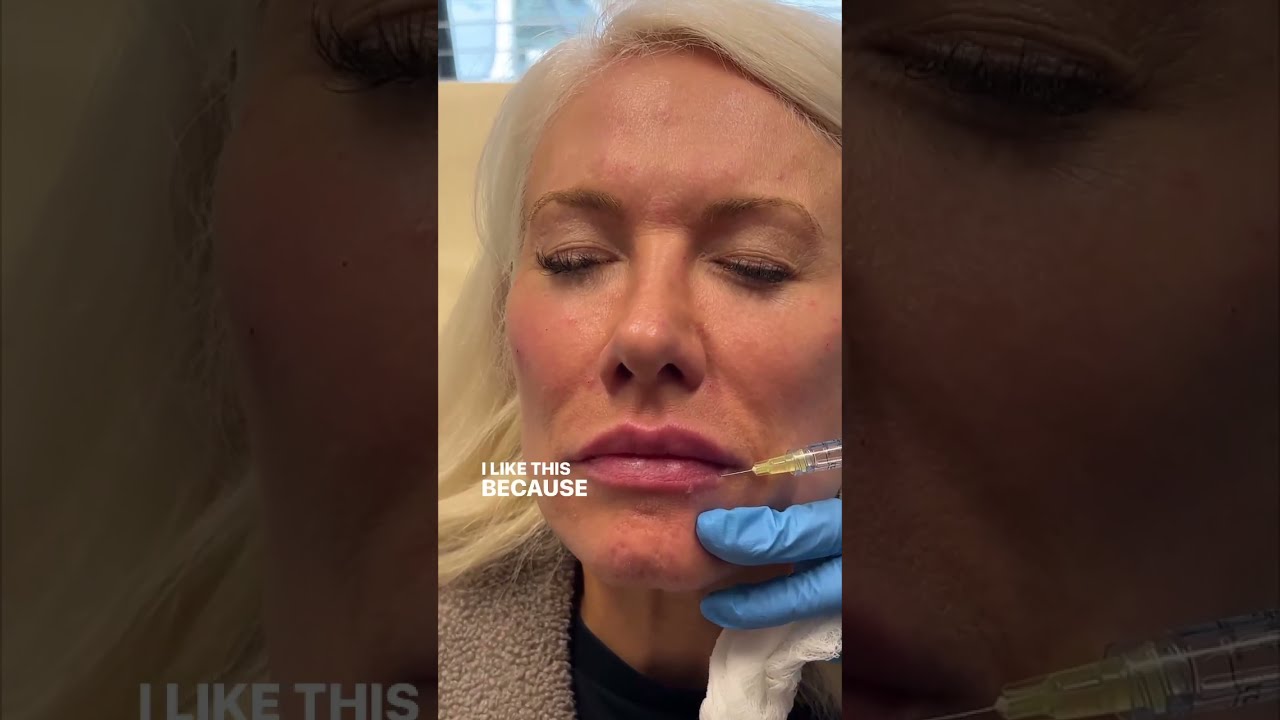
Delivering subtle or dramatic results is not a matter of syringe size alone. It is where and how product is placed. In a subtle lip filler procedure, micro-aliquots along the vermilion border and gentle linear threads within the body of the lip help sharpen edges and add glide without bulky projection. The philtral columns can be highlighted with minimal product to support the Cupid’s bow. I avoid heavy bolusing, especially in the wet dry border, to prevent a sausage effect.
For a dramatic lip augmentation, I may build the central tubercles for a heart shaped upper lip, add modest lateral volume to support width, and give the lower lip a 1.6 to 1 ratio relative to the upper for balance. Injection depth alternates between superficial submucosal and intramuscular layers depending on the plan. Even in a dramatic approach, I rarely place more than 1.0 mL in a first session unless the tissue has proven it can carry it gracefully. Staging avoids migration and helps fine tune symmetry.
Cannula and needle both have roles. A cannula can reduce bruising for broader volume distribution and is helpful laterally. A fine needle provides precision for border definition and tubercle shaping. Expertise lies in knowing when to switch.
What to expect on treatment day
Most clinics offer topical numbing cream for 15 to 30 minutes. For those especially sensitive, a dental nerve block can make lip filler injections almost painless, although it temporarily alters lip movement, which can distort immediate shaping feedback. I usually start with topical numbing plus slow injections of lidocaine containing filler. Expect a few pinches and pressure. A typical lip filler session lasts 20 to 40 minutes depending on complexity.
Immediately after treatment, lips look larger than planned due to swelling. Ice, elevation, and arnica can help bruising. Swelling peaks within 24 to 72 hours, then settles. Tiny lumps often respond to gentle massage as directed. If we are aiming for subtle lip filler results, I plan the appointment early in the week so you feel camera ready for the weekend. For a dramatic plan, you might want to avoid major events for 5 to 7 days.
Safety, side effects, and red flags
Lip filler safety rests on sterile technique, anatomical knowledge, and responsive aftercare. Common side effects include swelling, bruising, tenderness, and occasional small nodules that soften with massage. Less common but important issues include reactivation of cold sores if you carry herpes simplex. If you have a history, tell your lip filler specialist so we can prescribe prophylaxis.
Rare yet serious complications include vascular occlusion, where filler blocks a blood vessel. This presents as blanching skin, severe pain, or a netlike discoloration. It requires immediate attention and use of hyaluronidase to dissolve hyaluronic acid filler. Another rare risk is delayed inflammatory nodules, usually manageable with medications. Choosing a qualified lip filler doctor, nurse injector, or dermatologist with a plan for emergencies is not optional. When people search lip filler near me, I encourage them to look beyond distance and consider credentials, product sourcing, and before and after photos of real patients.
Cost, packages, and what you are paying for
Lip filler cost varies by region, product, and provider expertise. In many US cities, a single syringe of hyaluronic acid for lips ranges from 500 to 900 USD. Some markets run higher. A subtle enhancement might require less than a full syringe, and some clinics offer lip filler packages that allow banking a partly used syringe for a short window, though policies differ. A dramatic approach can mean 1 to 2 syringes over multiple visits. While deals and seasonal offers exist, be cautious of prices that seem too good to be true. Product authenticity and injector skill are the real value, not a discount alone.
If budget is a concern, ask about staged plans. A 0.5 mL lip filler appointment now and a 0.5 mL touch up in 6 to 8 weeks can spread cost and reduce downtime, while keeping you in control of the final look.
Maintenance, touch ups, and how long results last
Lip filler duration depends on metabolism and technique. Lighter gels may look their best for 4 to 6 months, while more structured fillers can maintain volume for 6 to 12 months. Most of my patients plan a lip filler touch up at the 6 to 9 month mark, using 0.3 to 0.6 mL to maintain shape. Hydration, sun care, and avoiding smoking help longevity. Highly animated speakers, wind instrument players, and endurance athletes sometimes metabolize faster, so we adjust the plan.
Product migration, where filler blurs above the vermilion, is a concern often linked to overfilling, shallow placement, or repeated frequent top ups without allowing tissue rest. A conservative schedule and disciplined technique keep the border crisp. If migration occurs, dissolving with hyaluronidase and resetting after a few weeks is typically the cleanest solution.
Subtle vs dramatic on different faces
Faces communicate. A petite face with fine features can be overwhelmed by an aggressive lip plumping injection, while a broader face with strong cheekbones can look balanced with more volume. Dental support matters too. A retrusive midface or missing posterior teeth can reduce lip support, which changes how filler sits. In these cases, chasing volume may not solve the perceived thinness. We discuss dental evaluation or perioral support first.
Age also guides decisions. In mature lips, collagen loss, sun damage, and barcoded vertical lines are common. Subtle lip filler with hydrating gels, plus a touch of support at the corners of the mouth, can rejuvenate without stretching delicate skin. For younger patients who want fuller lips, tissue is usually more forgiving, making a dramatic result feasible without compromising lip function. Regardless of age, the lower lip should generally exceed the upper in height for balance, unless a specific aesthetic calls otherwise.
Men approach lip enhancement differently. Many want smoother, more hydrated lips without a shaped Cupid’s bow. Keeping borders soft and avoiding overt projection preserves a masculine look. For women seeking definition, refining the philtral columns and Cupid’s bow helps lipstick sit better and improves lip contour on camera.
Alternatives and combinations
Not everyone needs volume to improve lip shape. A lip flip with botulinum toxin relaxes the upper lip muscle so the pink shows slightly more at rest. It is subtle, lasts 6 to 10 weeks, and pairs well with a conservative filler plan for a refined result. For smokers’ lines, microdroplet filler or skin boosters along the white lip can help without adding bulk to the vermilion. Those considering implants or surgical lip lift should consult a surgeon, but understand that surgery changes structure, not necessarily hydration or fine line texture. Lip filler vs surgery is not either or; they can be complementary but serve different goals.
A realistic timeline, from booking to final result
Most clinics can accommodate a lip filler session within one to two weeks of a lip filler consultation. Some offer same day appointment slots, which works if you have done your research and feel confident about goals. For a special event, book at least two weeks ahead for subtle results, and three to four weeks ahead for a dramatic plan. That buffer allows swelling to resolve and any small touch ups if needed.
Day 0 to 1 brings fullness and swelling. Day 2 to 3 is often the peak of puffiness. By day 5 to 7, you see the shape more clearly. At two weeks, we assess symmetry and polish details if needed. Bruising, if present, usually fades within 5 to 10 days. If you bruise easily, arnica and avoiding blood thinners with your doctor’s approval can help.
Aftercare that actually helps
Aftercare should be simple and specific. Keep lips clean, avoid heavy makeup on the area for 24 hours, and do not heat excessively, like steam rooms, the first day. Sleep with your head elevated on the first night to limit swelling. Skip intense workouts for 24 to 48 hours. Gentle lip balm is fine; aggressive scrubs are not. If you develop increasing pain, mottled skin, or unusual blanching, contact your lip filler clinic immediately. Early intervention is everything if a vascular issue is suspected.
How to choose a provider when you type lip filler near me
Photos tell a story. Look for before and after images that show your preferred style, both subtle and dramatic, across a range of ages and lip shapes. A lip filler specialist should discuss risks, emergency protocols, and product names. Sterile technique and a documented consent process are table stakes. Boutique med spas and dermatology offices can both deliver excellent care, but the practitioner’s training and portfolio matter more than the logo on the door.
" width="560" height="315" style="border: none;" allowfullscreen="" >
If you feel rushed, upsold, or unheard, keep looking. The best lip filler experience is collaborative. You bring your face and your taste. Your provider brings technique, judgment, and a steady hand.
A quick pre booking checklist
- Clarify your style target on a 1 to 10 scale and collect two reference photos that match it. Schedule around social downtime, giving 2 to 7 days depending on subtle or dramatic goals. Review medications and supplements with your provider to minimize bruising risk. Confirm product type and brand, and ask how complications would be managed. Plan maintenance, including a realistic lip filler price range for touch ups every 6 to 12 months.
Frequently asked, answered with context
How painful is it? With topical anesthesia, most patients rate lip filler pain level at 3 to 5 out of 10. A dental block reduces that further but can temporarily distort movement. Filler products often contain lidocaine, which adds comfort as we go.
Will I look natural? Natural is a spectrum. A subtle plan focuses on edges, hydration, and minor volume, which usually reads as natural even up close. A dramatic plan can still look intentional rather than artificial if ratios and anatomy are respected. The surest path is to escalate slowly.
What if I do not like it? Hyaluronic acid fillers are reversible with hyaluronidase. While not a reason to be careless, it provides reassurance. I always document product type and exact placement to assist if dissolution is needed.
How soon will I see lip filler before and after results? Immediately, but remember swelling exaggerates the initial effect. Judge the outcome at two weeks, when lips feel softer and symmetry is clearer.
How long does a lip filler last? Plan on 6 to 12 months, with variability. If this is your first time, you may metabolize a bit faster as tissue settles. Follow up with a modest refill rather than waiting until everything is gone, which can require more product to re create your look.
Matching your goal to a safe, satisfying plan
Choosing between subtle and dramatic comes down to personal aesthetic, lifestyle, and facial proportion. Subtle lip filler suits those who want an undetectable polish, better lipstick wear, and symmetry fine tuning. Dramatic lip filler serves those who enjoy a statement lip that anchors their look in photos and daily life. Both rely on thoughtful product selection, precise technique, and a pace that respects tissue limits.
Use your consultation to test drive the plan. Ask to start conservatively if you are new. For veterans, consider fresh photos and a reset of goals each year, because tastes evolve. Above all, choose a provider who listens, explains, and has the portfolio to deliver the kind of lip enhancement you want. Whether you book a quick treatment on your lunch break or plan a two stage transformation, the right preparation and https://batchgeo.com/map/lipfiller-in-summit-nj partnership turn a simple lip filler into a result that fits your face and your life.